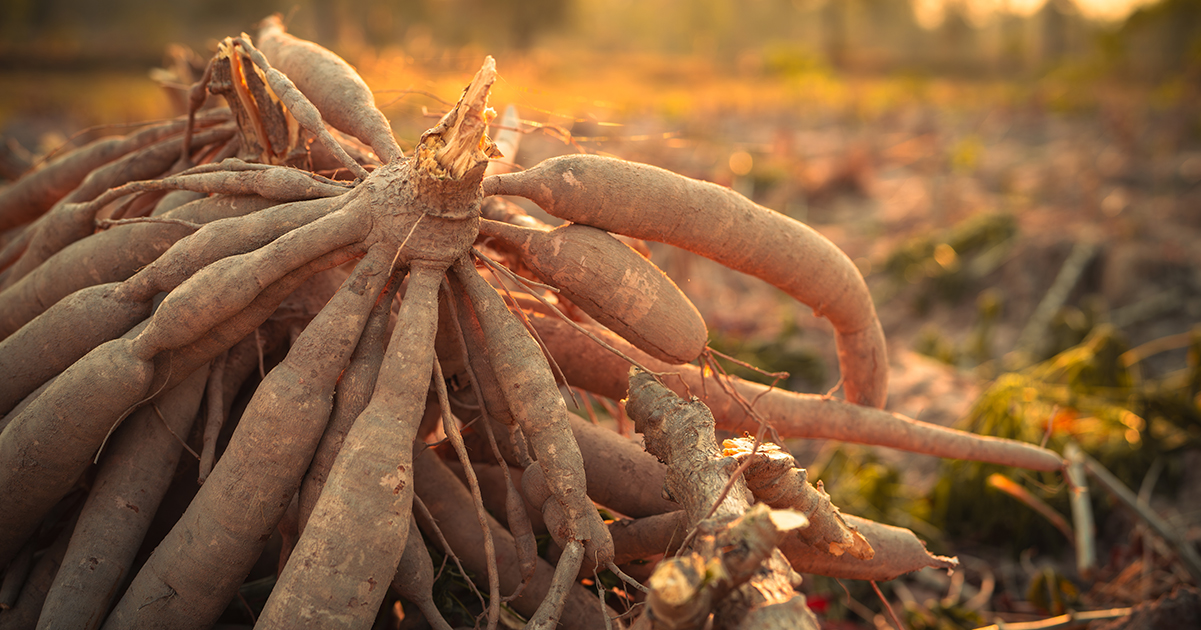
Cassava might look like an innocent tuber, but its roots and leaves contain cyanogenic glycosides, which break down into cyanide when consumed raw or improperly processed. This can lead to cyanide poisoning, causing goiters, paralysis, and death.
According to the World Health Organisation (WHO), cassava poisoning kills about 200 people a year, earning the root vegetable the title of “world’s deadliest food.”
Though it’s risky, cassava is a lifeline to over 800 million people in approximately 80 countries, WHO reports. It’s drought-resistant, easy to grow, and provides essential carbohydrates. When processed correctly – soaked, fermented, dried, or boiled – the cyanide levels drop, making it safe to eat. For many, it’s not a choice – it’s a necessity for survival.
Deadly delicacy
The Japanese delicacy fugu is made from pufferfish, which contains a poison that’s “200 times more deadly than cyanide,” BBC reports. “Tetrodotoxin poisoning has been described as “rapid and violent”, first a numbness around the mouth, then paralysis, finally death. The unfortunate diner remains conscious to the end. There is no antidote.”
Continue reading…
