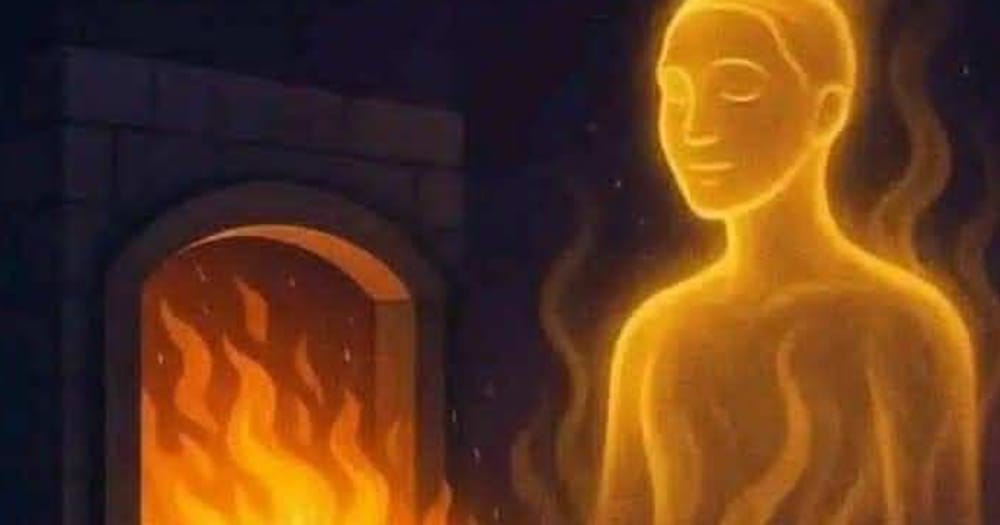
Here’s where things get really personal, and where beliefs shape everything.
Different religions and spiritual traditions see the journey after death differently.
1. A path to the next life
So, cremation isn’t just a way to dispose of the body; it’s a spiritual ritual that helps the soul transition to the next stage of its journey.

Buddhism also commonly practices cremation, but the focus isn’t on a permanent soul. Rather, it’s about the continuation of consciousness through cycles of rebirth. Cremation serves as both a ritual and a way to acknowledge life’s impermanence, honoring the natural cycle while supporting the ongoing journey of consciousness.
2. Faith over the flesh
Historically, Christians preferred burial because of resurrection beliefs. Today, most denominations accept cremation, as long as it doesn’t deny the hope of resurrection.
Christians believe that after death, the soul is judged by God and moves to heaven, hell, or a waiting state like purgatory. How the body is treated — whether buried or cremated — doesn’t affect the soul’s fate; faith and one’s relationship with God determine the soul’s path.
3. Respect and Dignity
Cremation is strictly prohibited in Islam. Burial is immediate and simple, reflecting the dignity owed to the body. Muslims believe the soul remains connected to the body until the Day of Judgment, so honoring the body is a spiritual dutContinue reading…
