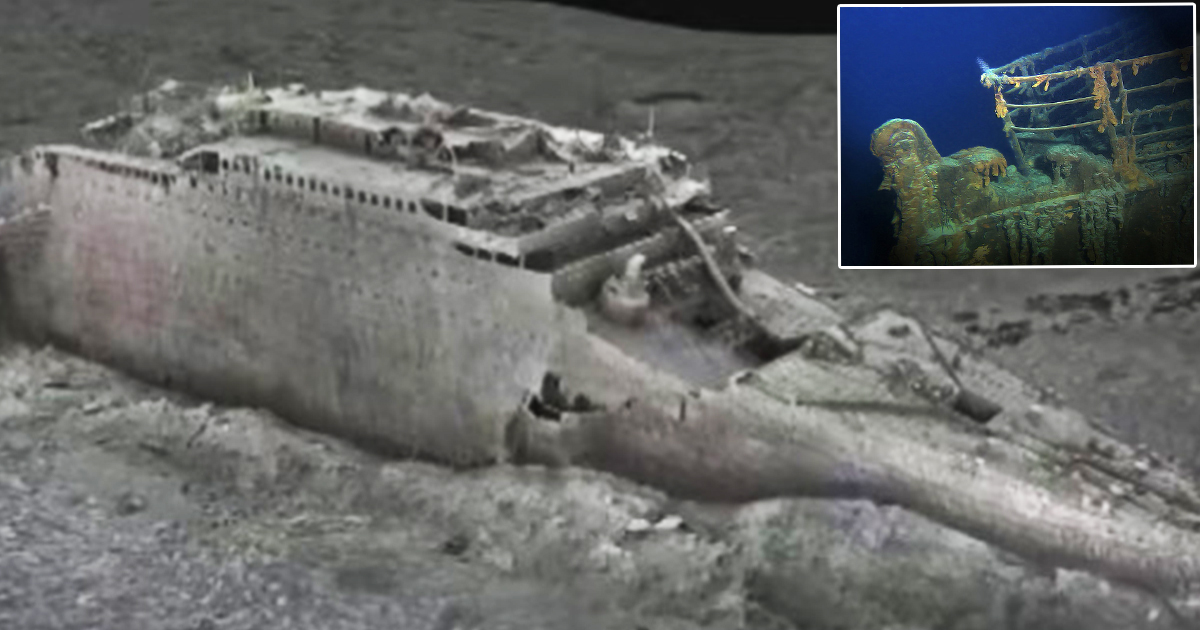
bones
But the absence of skeletons isn’t just about sea creatures.
Robert Ballard, the deep-sea explorer who first discovered the Titanic wreck, explains that at these depths, the seawater actually has the ability to dissolve bones. The water is under-saturated in calcium carbonate, which is a key component of bones. As the soft tissue is consumed, the bones themselves slowly dissolve, leaving no trace behind.
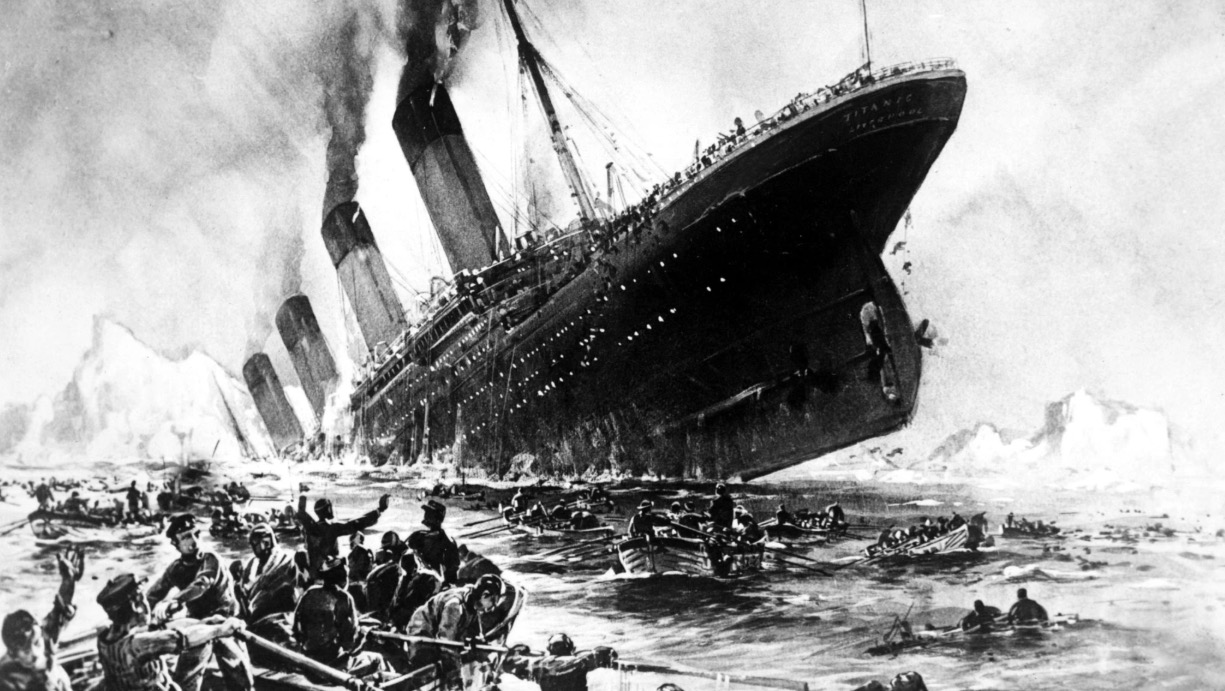
“The issue you have to deal with is, at depth below about 3,000 feet, you pass below what’s called the calcium carbonate compensation depth,” deep-sea explorer Robert Ballard told NPR.
”And the water in the deep sea is under saturated in calcium carbonate, which is mostly, you know, what bones are made of. For example, on the Titanic and on the Bismarck, those ships are below the calcium carbonate compensation depth, so once the critters eat their flesh and expose the bones, the bones dissolve.”
