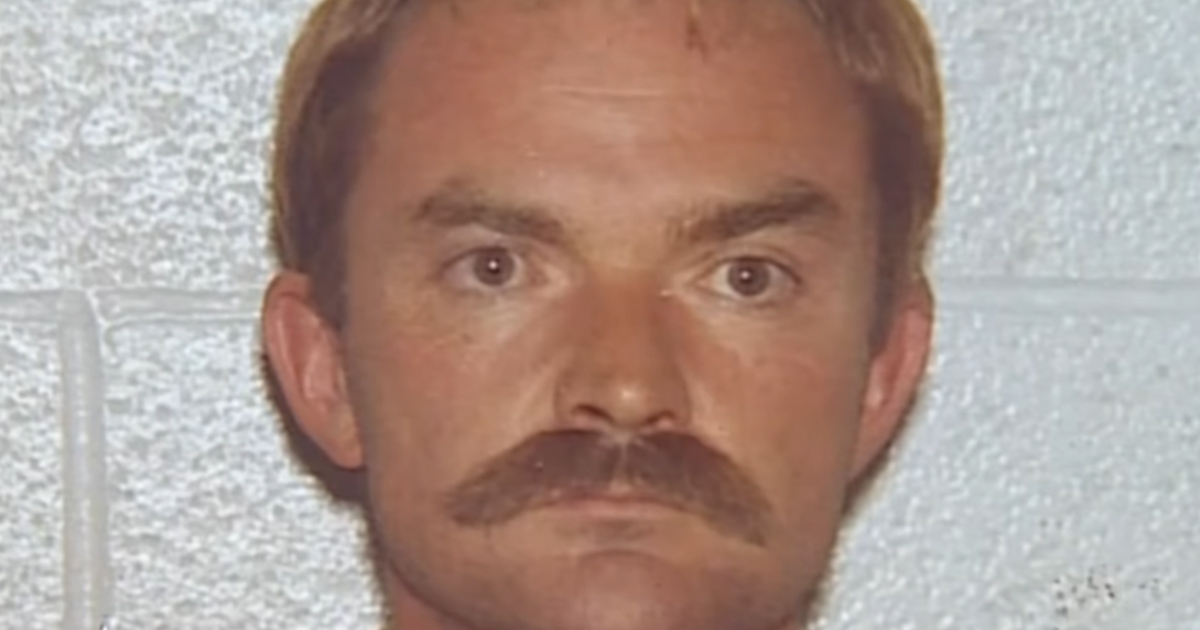
He joined student government, joined the debate team, and seemed destined for a respectable life. After graduating in 1963, he enrolled at Claremont Men’s College, majoring in economics. He threw himself into campus politics, campaigning for Barry Goldwater and supporting the Vietnam War.
But by his junior year, something began to shift.
By 1969, he had come out as gay, a revelation that shocked his family and cost him his position in the Air Force Reserve, where he had been serving as a trainee. Officially, he was discharged for “medical reasons.”
Unofficially, it was for being homosexual.
The drift begins
After leaving the service, he stayed in Southern California, working odd jobs — bartender, computer programmer, waiter.
He was articulate, well-dressed, and always courteous. To acquaintances, he was a mild, urbane young man with an IQ of 129 and a love for conversation.
But behind that calm exterior, something was twisting.
He began using drugs, mostly amphetamines and barbiturates. He also developed a taste for alcohol. His friends noticed erratic behavior: days of isolation, bursts of anger, long absences with no explanation.
The coastal nightlife of Long Beach and Sunset Beach was booming, and the young man found himself drawn to its energy, to the gay bars that became havens for those still living in secrecy. He worked at one called The Stables, serving drinks and chatting easily with regulars.
But he was also prowling. Watching. Testing limits.
