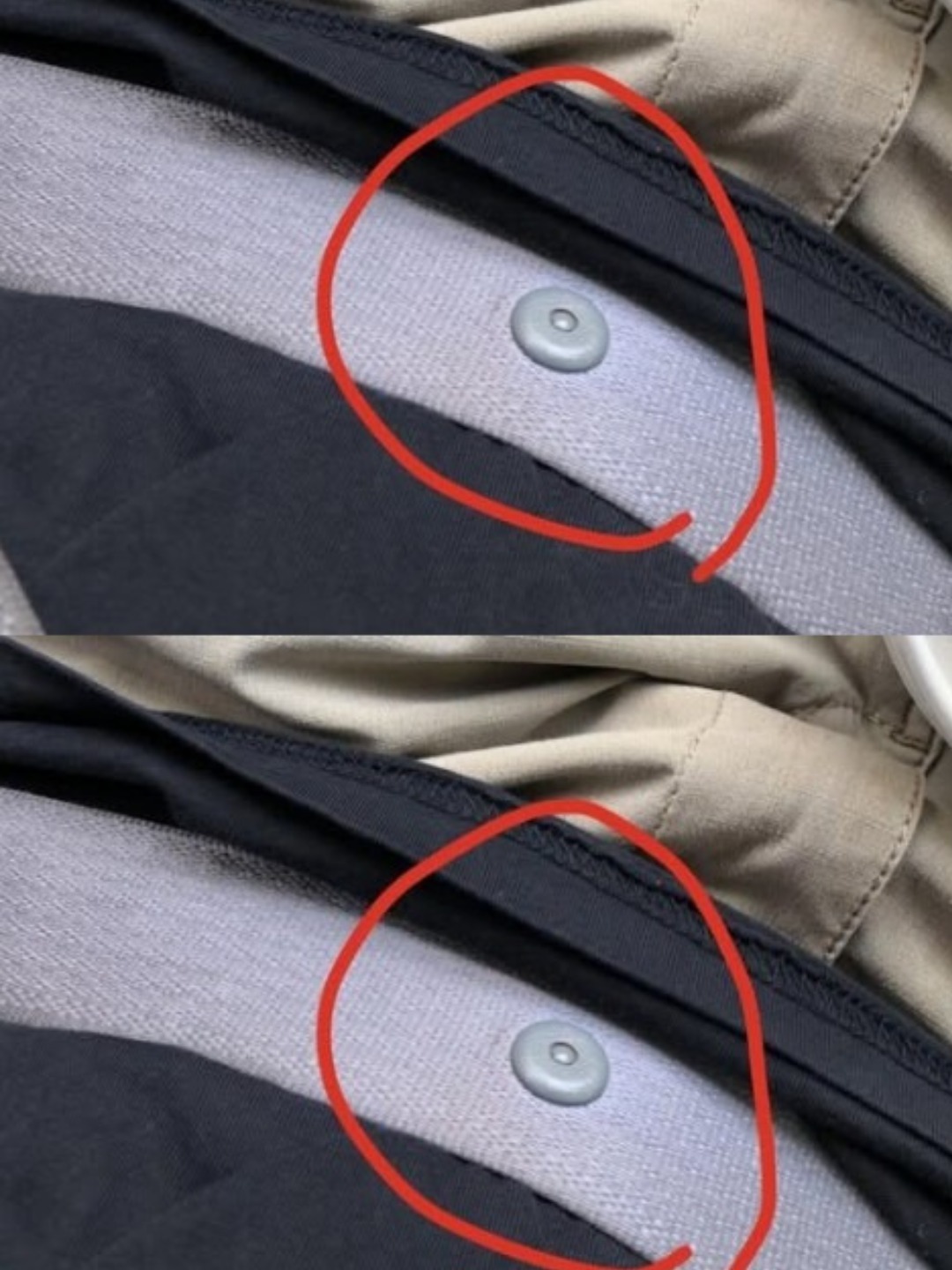
chest, not your neck or face.
Without the guide, the belt could slip forward, backward, or ride up during driving.
The button keeps the belt in the ideal position, ensuring it spreads force safely during impact.
2. Prevents Neck and Facial Injuries
-
If the belt rides too high, it can cut into your neck during sudden braking or a collision.
-
In severe cases, this can cause serious injury — especially for children or smaller adults.
-
The guide anchors the belt across the strong clavicle and torso, not the delicate neck.
3. Reduces Discomfort and Encourages Use
-
A poorly positioned belt can be uncomfortable — leading some people to tuck it behind their back or under their arm (which is dangerous and illegal in many places).
-
The adjuster button helps the belt sit comfortably, making it more likely you’ll wear it correctly — every time.
4. Works With the Pretensioner System
-
In modern cars, seat belts are equipped with pretensioners — devices that tighten the belt instantly in a crash.
-
The guide ensures the belt moves correctly when the pretensioner activates, maximizing its effectiveness.
Why Mechanics Like Alain Say It’s “Essential”
CONTINUE READING…>>
