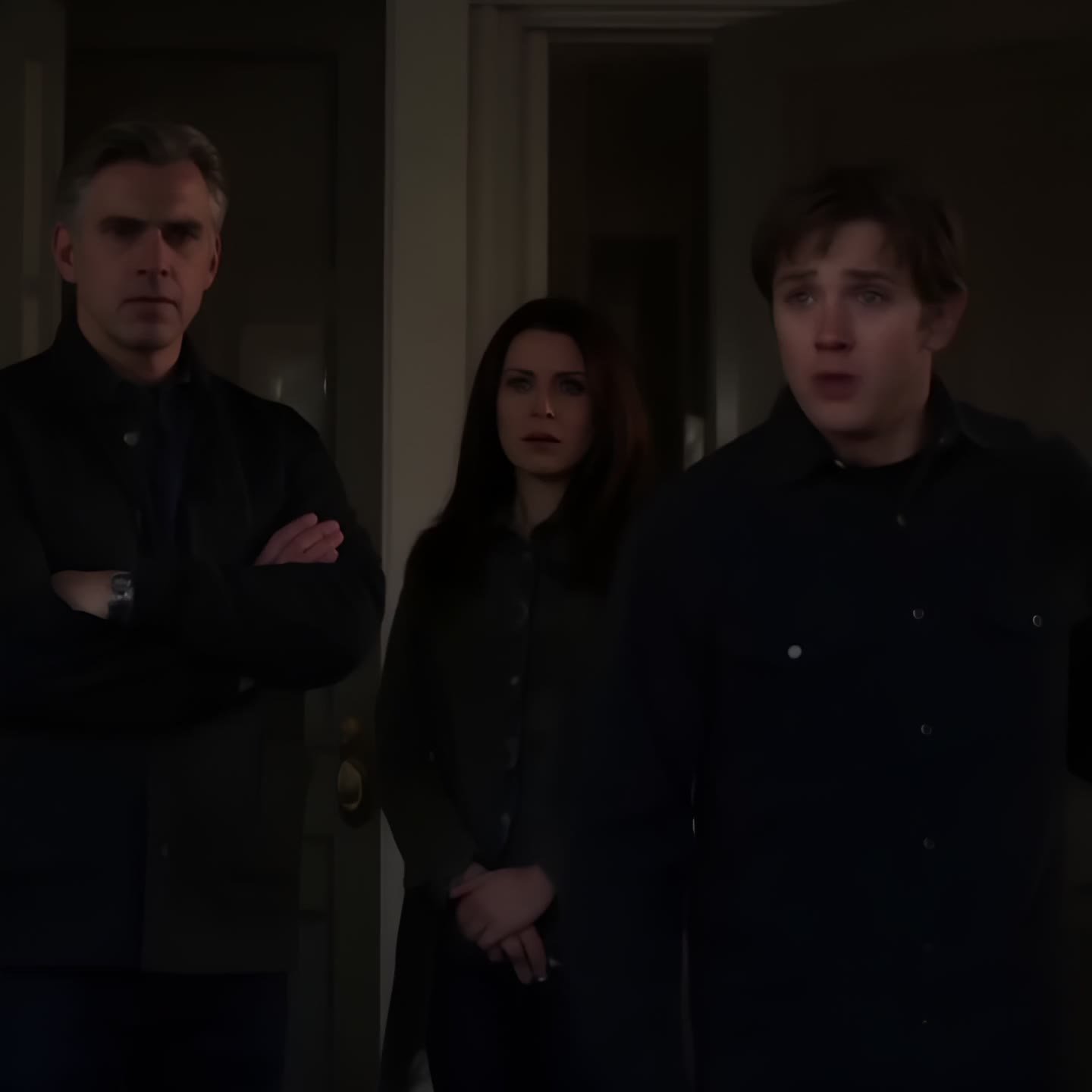
When he asked for help, I wasn’t sure at first. But after thinking it over, I knew I couldn’t just turn my back on him. Despite everything, he was still my father.
I helped him with the treatment, but with one condition: he had to stop letting my mom control everything. He had to stand up for himself.
He was finally free, and for the first time, I felt like he could really be a part of my life again.
My company grew quickly over the next few years, expanding into other cities. I hired some of the best engineers from my old firm, worked on major projects across Texas. Life kept moving forward, faster than I could keep up with.
And then, one day, I got a letter from my grandmother, Aba Rosa. It was the last letter she’d ever written me. In it, she reminded me of everything she’d taught me—what it meant to work for something, to build something real, and to never let anyone, especially my mother, make me doubt my worth.
I kept that letter in my desk, reading it every now and then when I needed a reminder.
Family, she’d always told me, were the ones who showed up. The ones who stuck around when everything fell apart. And she was right.
I didn’t need them to validate my success. I’d built it on my own. And I was finally at peace with that.
Life continued its relentless pace, the days blurring together as I found myself buried in work, in meetings, in new projects. But amid it all, something shifted in me. I wasn’t just building a business anymore. I was building a legacy. A legacy that would stand for something real, something that couldn’t be taken away.
I had made it on my own, without their approval, without their love. And that meant more to me than anything.
I didn’t answer right away. Our conversations had become increasingly strained, and I wasn’t sure if I was ready for whatever he had to say. But when the phone rang again, something in me knew I couldn’t ignore it.
“Dad?” I answered cautiously.
“Miho…” His voice was weak, distant. “I’m sorry. I’ve been a fool.”
I sighed, rubbing my temples. “What now, Dad?”
He was silent for a moment before speaking again, his words slow, as if he were choosing them carefully.
“I don’t deserve your forgiveness. Not for the way I treated you. Not for the way I let her control everything. But I need you to know I’m sorry. I wish I could have been the father you needed.”
I leaned back in my chair, staring out the window at the pouring rain. It had been years since I’d heard him speak like this. And it hit me—harder than I expected—that I wasn’t angry anymore. Maybe I was just tired.
He took a deep breath. “I understand. I don’t expect anything from you. But I’d like to try, if you’ll let me.”
I didn’t have the words to answer him at first. Maybe I didn’t need to.
After a long pause, I finally spoke. “We’ll see, Dad. Let’s just take it one day at a time.”
A few months later, I found myself back in San Antonio. My company had secured a massive contract to do a structural assessment on a major commercial building, and I thought it would be a good opportunity to visit Aba Rosa’s grave.
I drove through the streets of Alamo Heights, past the familiar houses and the old neighborhoods. Everything looked the same, yet it all felt so different. I pulled into the cemetery and parked next to Aba’s headstone, the rain from the morning still lingering in the air.
I stood there for a while, just looking at her grave. The woman who had been my rock. The one who believed in me when no one else did.
“I did it, Abuela,” I whispered, my voice carrying only the faintest trace of emotion. “I kept my promise. I built something. It’s real.”
I didn’t expect a response, but somehow, I felt like she heard me. The same way I felt her presence when I graduated, when I took that first big job, when I made my own way in the world.
I stayed there for a while, thinking about the years of struggle, of betrayal, and of growth. I thought about the choices I’d made. The people I’d let go, the ones I’d kept close.
And then, in a way I hadn’t expected, I felt a weight lift off my chest. I wasn’t angry anymore. Not at my parents. Not at Valentina. Not at the family who had abandoned me when I needed them the most.
I had learned to let go.
Later that week, I received a package in the mail. It was a small, plain box with no return address. Inside, I found an old photo album—one I hadn’t seen in years. It was from my high school graduation, the one my parents had missed.
I flipped through the pages, feeling a strange mix of nostalgia and indifference. There were pictures of me standing on the podium, smiling with friends, surrounded by classmates. And there, at the back of the album, was a picture of me with Abuela Rosa. Her arms around me, pride shining in her eyes.
The caption under the photo read: “To the one who showed up for me when no one else did.”
Tears stung my eyes, but I didn’t cry. Not because I was sad, but because I had come to realize something.
I had everything I needed. The people who mattered, the life I had built, the future I was creating. I didn’t need their validation. I never did.
And I was finally free.
Years went by. The company grew, my relationships strengthened, and I found more fulfillment in the small things than I had ever imagined.
My relationship with my father, though still rocky at times, improved slowly. He started calling more often, not just about business or family drama, but just to talk. We talked about the weather, about work, and sometimes, about nothing at all. It wasn’t perfect, but it was progress.
And for once, I could say that I was content. The peace I had longed for was no longer a distant dream. It was real.
I had finally built something that was mine. And that was enough.
If you enjoyed this story, please hit that subscribe button. Your support means everything and helps us bring you more stories just like this one. Thank you for being part of this journey.
As the years rolled on, I found myself in a rhythm I’d never known before. The stress of building a company, of navigating the ups and downs of business, had become second nature. But what I didn’t expect was how much I had changed—how much I had grown beyond the person I once was.Continue reading…
