Triggers may include allergies, stress and frequently moist or sweaty hands and feet.
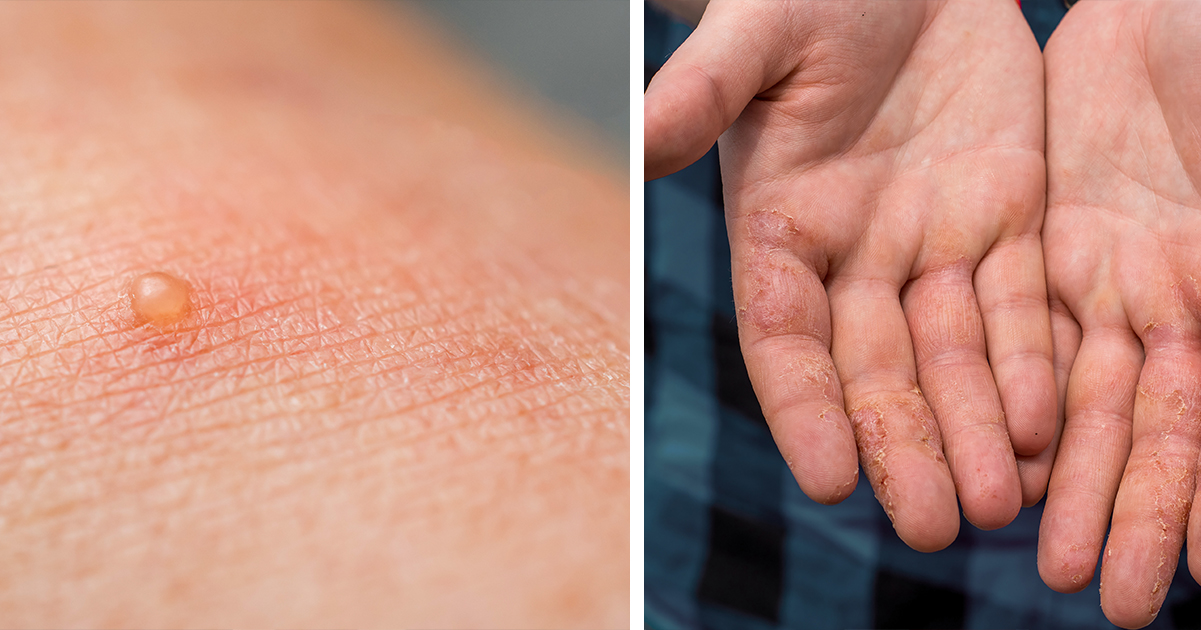
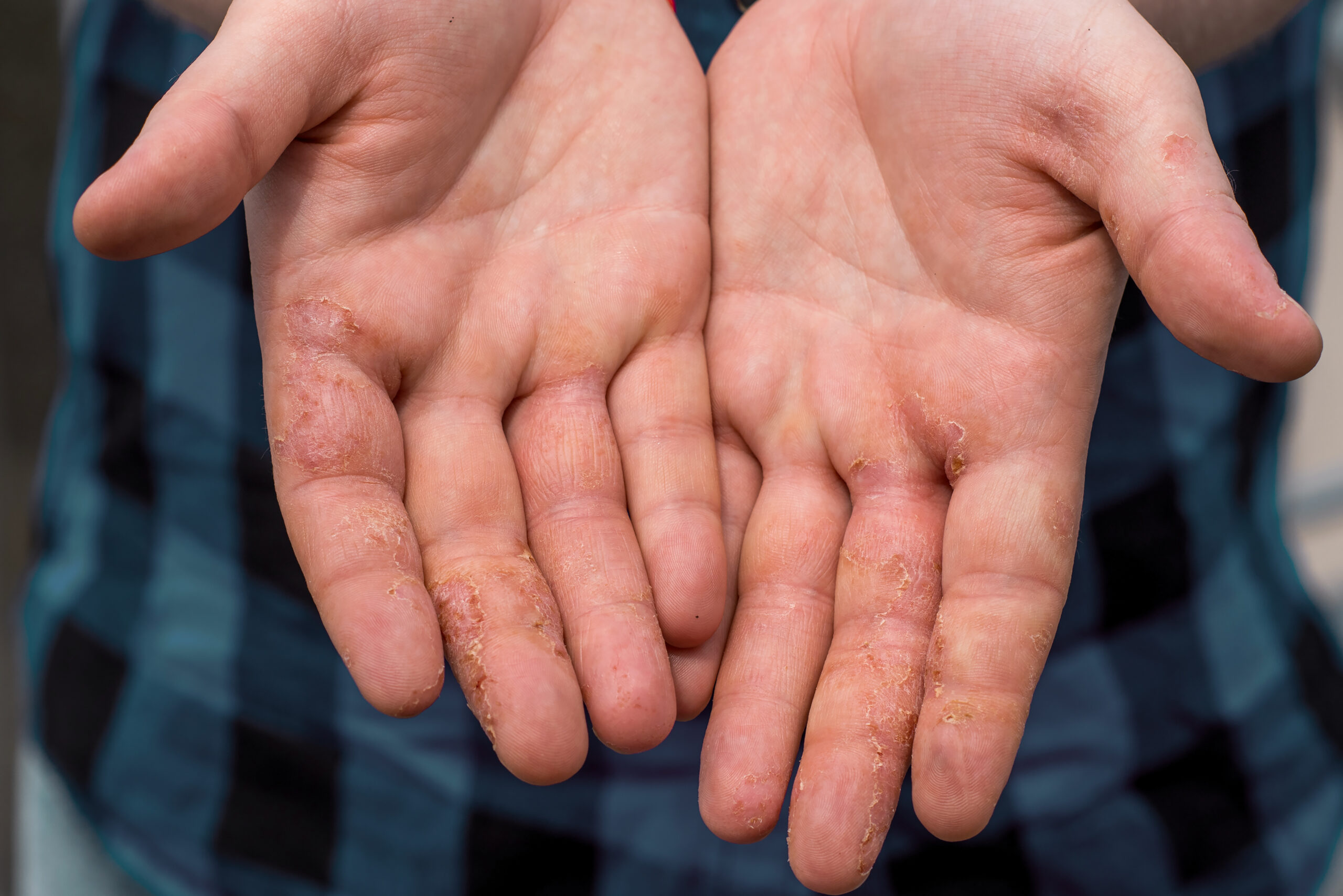
Common symptoms of dyshidrotic eczema include deep-set blisters on the hands and feet, itching, redness, flaking, scaly, cracked skin, and pain. If you suspect you may have the condition, you should ensure you’re properly diagnosed by a medical professional before starting treatment.
According to the Cleveland Clinic, healthcare providers aren’t currently sure what causes dyshidrotic eczema, and so there’s no surefire way of preventing flare-ups from taking place.
That said, an effective skincare routine can bolster your skin’s resistance to inflammation.
As stands, the most conventional treatment for dyshidrotic eczema are creams, though there are other treatments available. These include UV light treatments, antihistamines, various anti-itch creams, and immune-supressing ointments, such as Protopic and Elidel.Continue reading…
