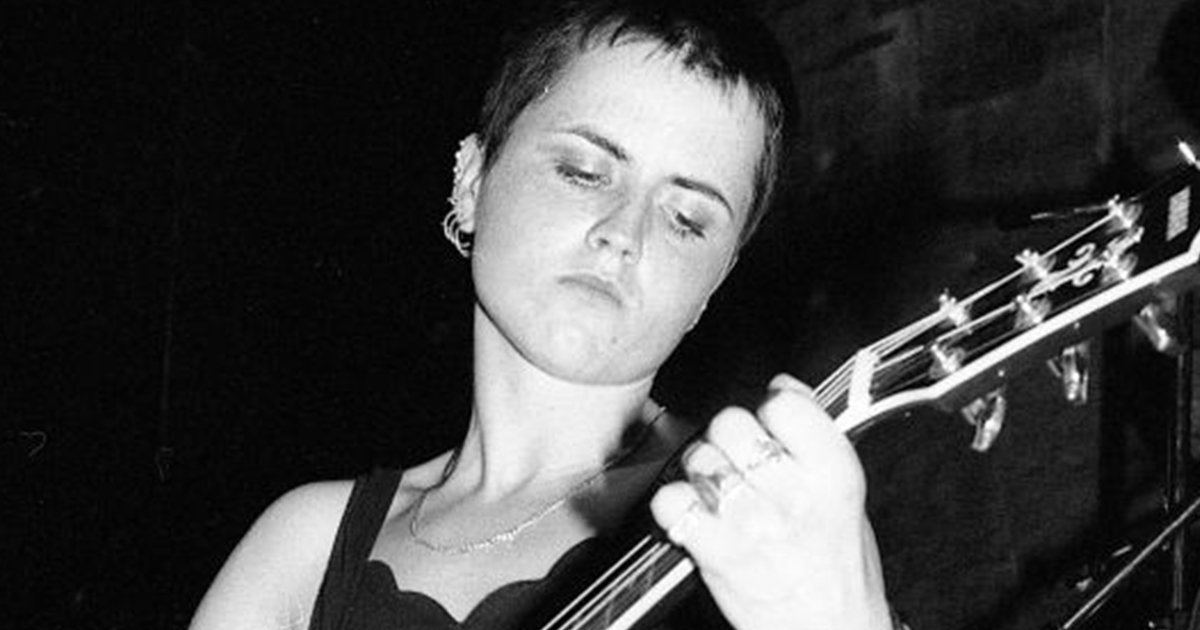
From rural Ireland to rock legend: The life of a generation-defining voice
Reflecting on the episode, she later told the Sunday Independent: “Apparently my mother came into the cell. I don’t remember. I had created a tortoise effect. I tucked myself in, under the blanket. I was singing in the cell. I was praying. I was meditating because I was freezing,” while confirming her bipolar disorder diagnosis.
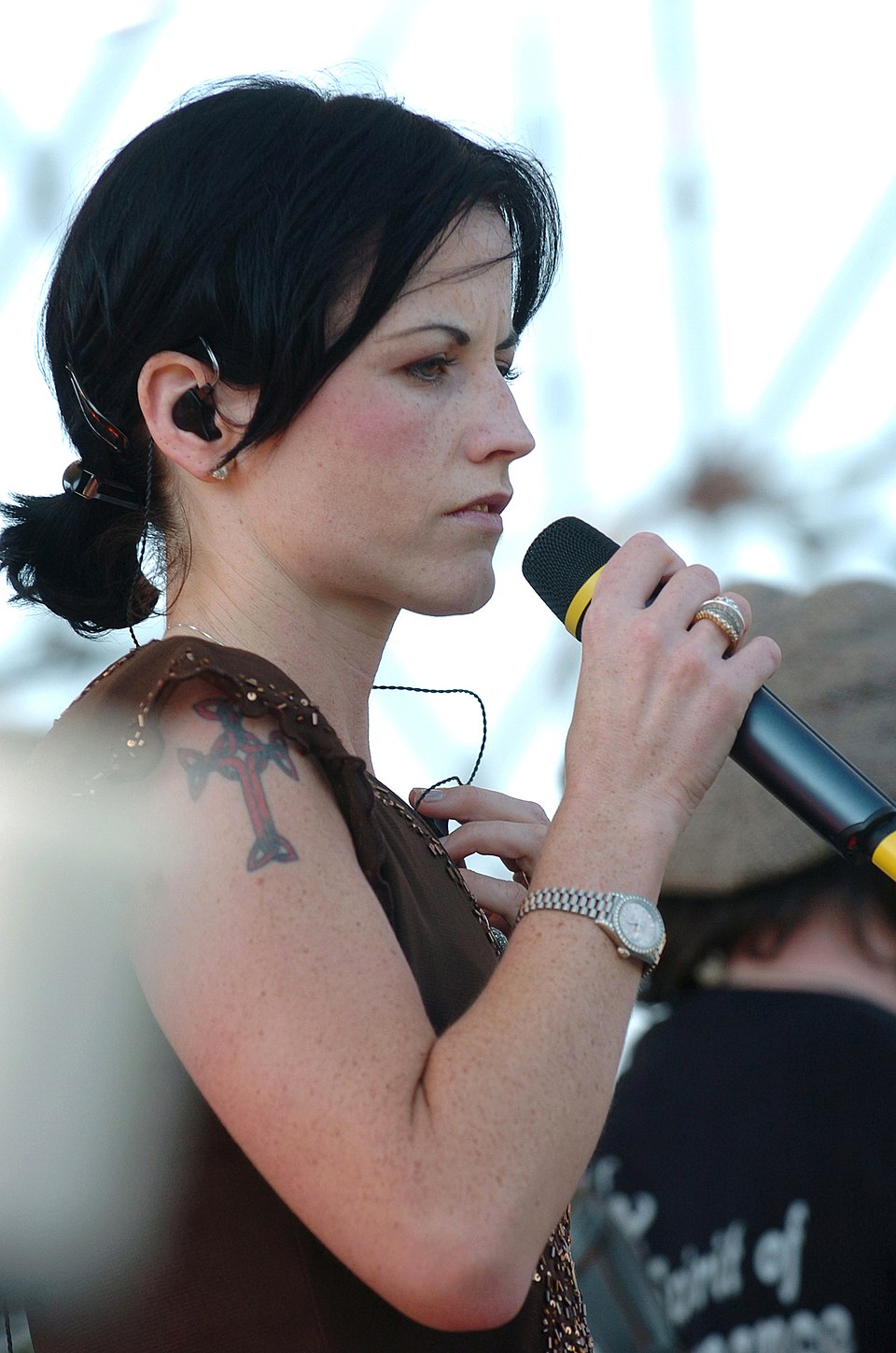
Her struggles with alcohol were equally candid. “I am pretty good but sometimes I hit the bottle,” she admitted. “Everything is way worse the next morning. I have a bad day when I have bad memories and I can’t control them and I hit the bottle. I kind of binge drink. That is kind of my biggest flaw at the moment.”
Tour life, she explained, only made it harder.
“On tour, it was just so easy to say ‘I can’t sleep. I’ve had a couple of drinks. Maybe I’ll take one,’” she told Mirror UK. “Then you take another. Then you don’t wake up. That can happen. I am careful now.”
After the Cranberries disbanded in 2003, Dolores released two low-profile solo albums. The band reunited in 2009, later putting out one of their strongest records, Roses, in 2012.
Despite professional successes, her personal life remained chaotic.
On January 15, 2018, she was found unresponsive in the bathroom of a London hotel room and was pronounced dead at 9:16 a.m. She was 46 years old.
