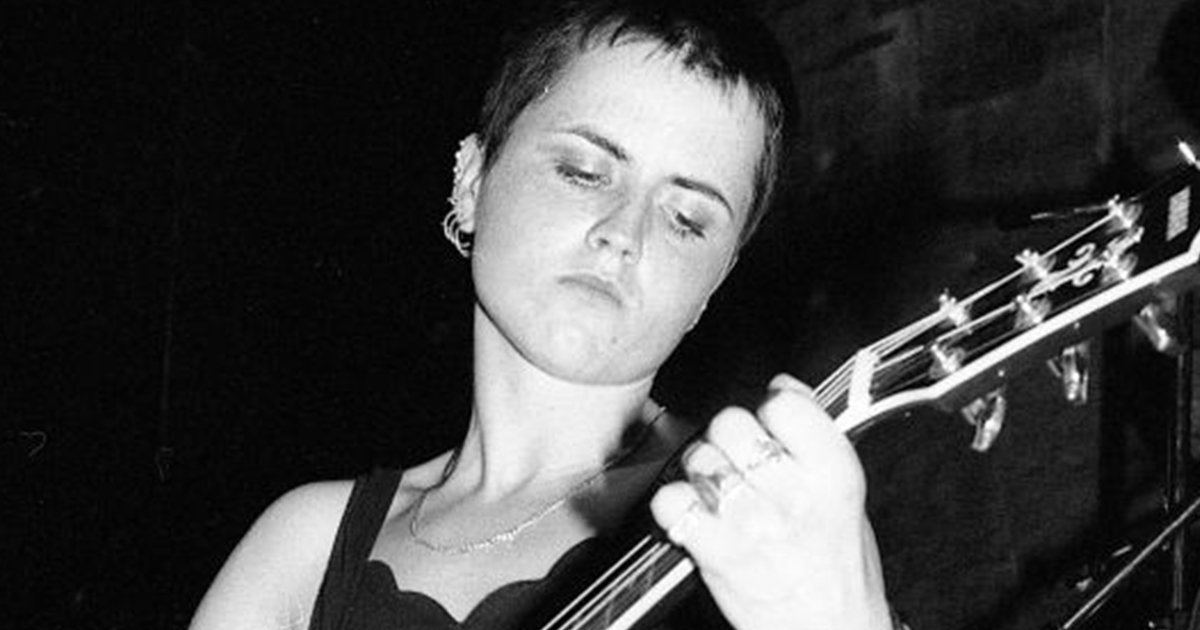
From rural Ireland to rock legend: The life of a generation-defining voice
In 1990, a local band called the Cranberry Saw Us was searching for a new lead singer when a young, talented singer from Limerick, who had run away from home, stepped in to fill the role. Her name? Dolores O’Riordan.
“She came and sang a few songs she had written,” said the band’s guitarist Noel Hogan. “We were blown away that this small girl from Limerick had such an amazing voice. The fact that she wasn’t already in a band was a miracle.”
At first, she was quite shy on stage, often performing with her back to the audience. But the femininity and the unique Irish tone to her voice was immense and captured hearts everywhere.
“There was no big act,” Hogan recalls. “I think that resonated with people.”
Despite their inexperience, the Cranberries quickly caught the attention of major labels during the Nineties alt-rock frenzy.
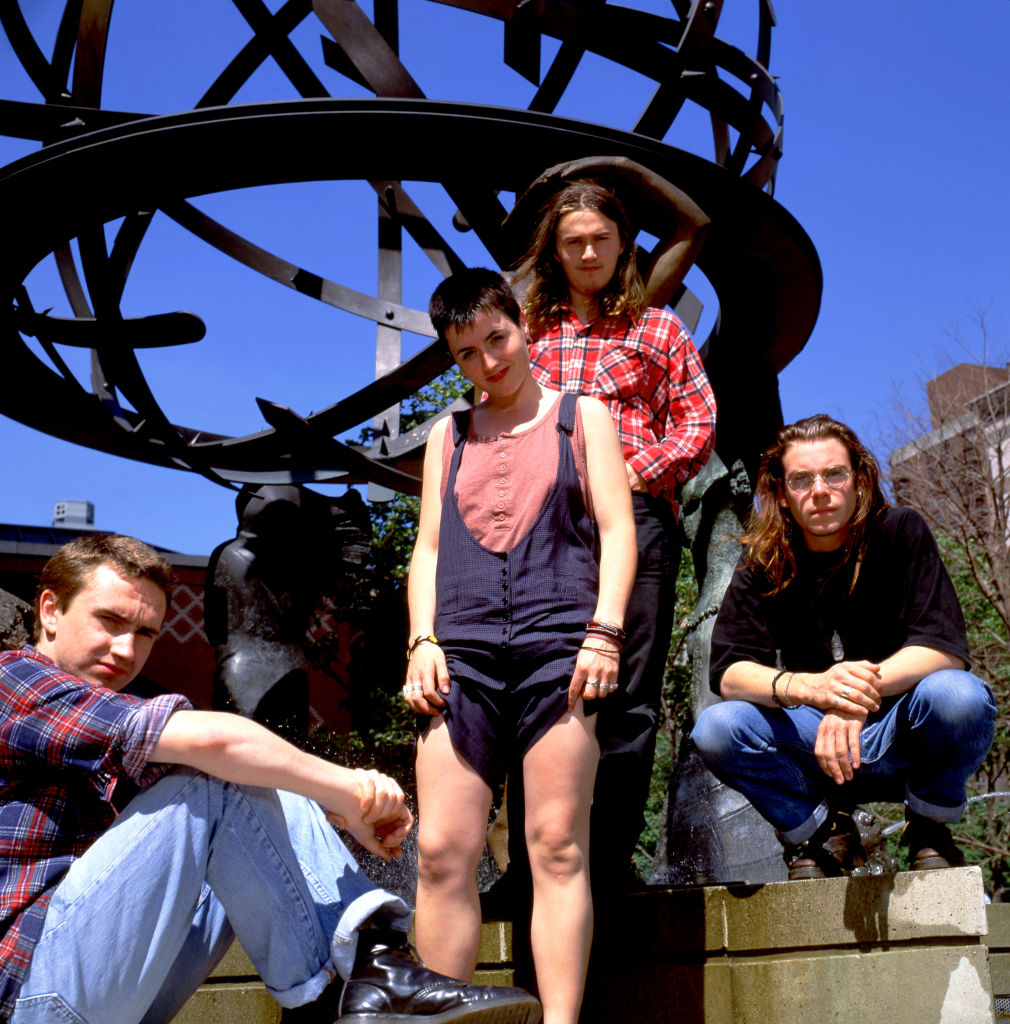
Their 1993 debut, Everybody Else Is Doing It, So Why Can’t We?, produced hits like “Linger” and “Dreams,” fueled by shimmering guitars and the singer’s haunting, powerful voice. Both that album and its 1994 follow-up, No Need to Argue, sold millions of copies, and the band even performed on MTV Unplugged.
Achieving superstardom at such a young age meant O’Riordan “missed out on the freedom” most young people enjoy. In 1995, her Celtic strains made her the highest paid female rock star in the UK. In 2006, she was one of the 10 richest women in Ireland and was reported to be the fifth-richest woman in 1999.
“People watch you. You’re not allowed to slip up because you’re only a kid. So of course you have to make mistakes,” she said.
Over the years, she struggled with depression, profound self‑loathing, and suicidal thoughts, issues that were intensified by the pressures of her rapidly rising career and ultimately contributed to her battle with anorexia.
