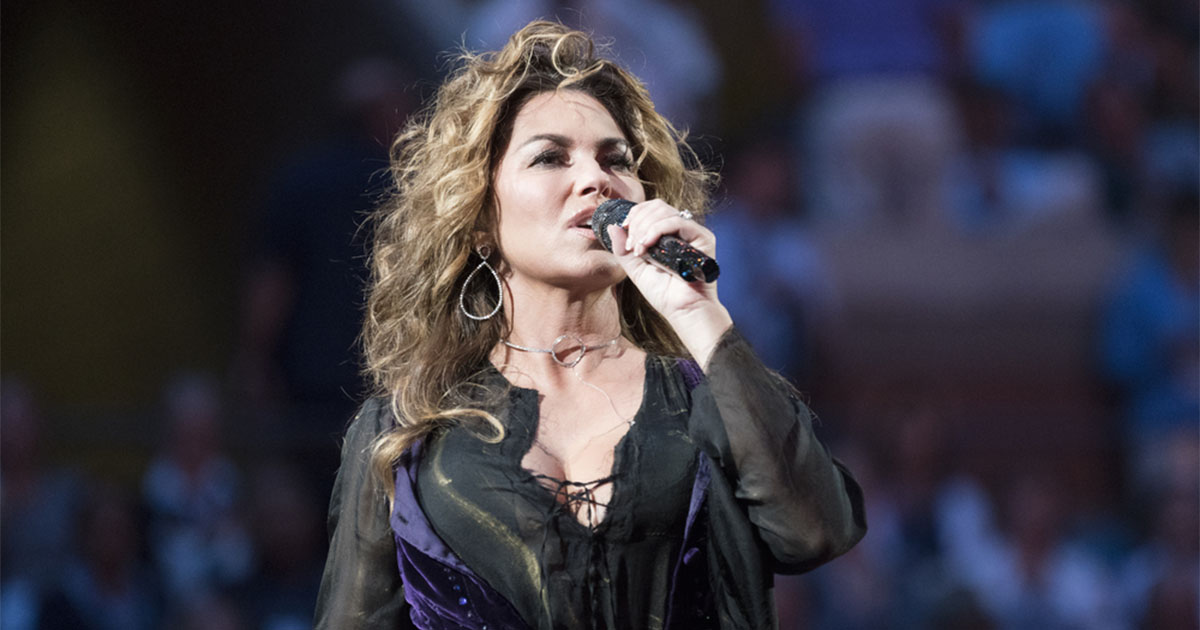
Her mother was able to see her talent and began to take her to gigs at local bars when she was just 8 years old. She would perform after midnight when patrons would already have their alcohol served to them since she legally could not be in a place where alcohol was actively being served at that age.
When she was 11 years old, she got a permit to perform earlier in the evening however she did not get paid till she was fourteen years old. She also started working at McDonald’s, a job she later referred to as her “saving grace,” as it allowed her to get paid while also providing her with regular meals, something she did not know about.
However, her family struggled with things other than poverty. Her stepfather had legally adopted her and her siblings. He was harsh and abusive and made their home environment incredibly toxic and scary for the children.
She recalls having to fend for herself against his violence. She recalled a specific moment when she threw a chair at him in self-defense. “I think a lot of that was anger, not courage,” she later said of it.

The abuse went on for a while, and it was only one part of her trauma. When she was ten years old, her stepfather began to sexually abuse her. She kept the abuse a secret, and it further weighed on her for years till she felt brave enough to talk about it publicly.
Some of her trauma remained unresolved because when she was 22 years old, her mother and stepfather died in a car crash. Shania Twain was left to care for her younger siblings. She was the second eldest and was responsible for the younger children.
